In Riyadh’s growing food and beverage scene, great food alone is no longer enough to guarantee repeat customers. Diners increasingly choose restaurants based on atmosphere, comfort, and the overall experience of a space, making interior design one of the most important investments a restaurant owner can make.
Why Restaurant Interior Design Directly Affects Revenue
Ambiance shapes how long guests stay, how much they spend, and whether they return or recommend the restaurant to others. A skilled restaurant interior design company in Riyadh understands how lighting, seating comfort, and layout influence guest behavior just as much as menu design or service quality.
Key Elements of Successful Restaurant Design
Lighting That Matches the Dining Experience
Bright, energetic lighting suits fast-casual concepts, while warmer, dimmer lighting supports fine dining or evening lounge experiences. Getting this balance right shapes the entire emotional tone of a meal.
Seating Layout and Table Flow
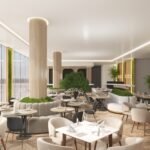
Efficient seating layouts balance guest comfort with the practical need to maximize covers during peak hours, without making the space feel cramped or rushed. This requires careful planning around walkway width, table spacing, and service access.
Acoustic Comfort
Noise level significantly affects guest experience. Thoughtful use of soft materials, ceiling treatments, and layout planning helps control sound so conversations remain comfortable even during busy service periods.
Kitchen and Service Flow
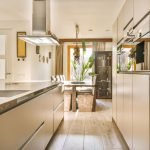
Front-of-house design must work seamlessly with back-of-house operations. Poor placement of service stations or narrow staff pathways can slow service and frustrate both guests and staff, regardless of how attractive the dining room looks.
Branding Through Design
From color palette to material choices, every element of a restaurant’s interior should reinforce its brand identity and menu concept, creating a cohesive experience that feels intentional from entrance to exit.
Durability for Daily Wear
Restaurants experience heavy daily use, spills, and constant furniture movement. Selecting materials that withstand this wear while still looking refined is essential for maintaining a polished appearance over time.
Designing for Different Restaurant Concepts
- Fine dining: refined materials, softer lighting, and generous spacing between tables to support a more intimate experience.
- Casual and family dining: durable, easy-to-clean materials with a warm, welcoming atmosphere suited to longer family visits.
- Cafes and fast-casual concepts: efficient layouts that support quick turnover while still offering a comfortable, photogenic environment for guests.
The Design and Fit-Out Process for Restaurants
A well-managed project begins with concept development aligned to the brand and menu, followed by detailed space planning, 3D visualization, and coordinated interior fit out in Riyadh, covering everything from kitchen equipment coordination to furniture installation. Because restaurants often operate on tight opening deadlines, timeline management is especially critical.
Common Mistakes in Restaurant Design
Some owners prioritize visual trends over functionality, resulting in beautiful spaces that are difficult to operate efficiently. Others underestimate acoustic planning, leading to spaces that feel chaotic during peak hours. Working with an experienced commercial interior design company in Saudi Arabia helps avoid these pitfalls by balancing aesthetics with operational reality from the earliest planning stages.
Choosing the Right Design Partner for Your Restaurant
Look for a team with direct experience in hospitality projects, since restaurant design involves specific considerations, such as kitchen ventilation and health code compliance, that general commercial designers may not fully understand. It is worth taking the time to hire an interior designer in Riyadh who can show relevant restaurant or cafe portfolio work.
How ERA Culture Design Supports Restaurant Owners
ERA Culture Design works with restaurant and cafe owners across Riyadh to create dining spaces that balance atmosphere with operational efficiency. From concept development through kitchen coordination and final styling, our team manages the full journey to help new venues open on time and on budget.
Final Thoughts
A restaurant’s interior design plays a direct role in guest satisfaction, repeat visits, and overall profitability. Investing in a thoughtful, well-executed design from the start pays off through a stronger brand experience and smoother daily operations for years to come.
Frequently Asked Questions
How long does a typical restaurant fit-out take in Riyadh?
Depending on size and complexity, restaurant fit-outs typically take between eight and twenty weeks, factoring in kitchen equipment installation and health code approvals.
Can I redesign my restaurant without closing completely?
Some renovations can be phased to allow partial operations, though major kitchen or structural work often requires a temporary closure to complete safely and efficiently.
How important is acoustic design in a restaurant?
Very important. Poor acoustics can make a restaurant feel chaotic and uncomfortable, directly affecting how long guests stay and whether they return.
Should design differ between dine-in and delivery-focused restaurants?
Yes. Delivery-focused concepts can allocate more space to kitchen efficiency and less to dining ambiance, while dine-in focused restaurants need to prioritize guest experience throughout the space.
Creating Instagrammable Moments Without Sacrificing Function
Many diners share photos of visually striking restaurant interiors, and this organic social exposure can be a valuable marketing tool. The best designs create a few intentional visual moments, such as a statement wall or unique lighting feature, without turning the entire space into a photo backdrop at the expense of comfort and service flow.
Adapting Design for Different Times of Day
Restaurants serving both lunch and dinner crowds often benefit from lighting and ambiance that can shift throughout the day, brighter and more energetic for lunch service, warmer and more intimate for evening dining, using dimmable lighting systems and flexible design elements.
Does restaurant interior design need to match the cuisine style?
While not mandatory, many successful restaurants use design cues that reflect their cuisine or cultural theme, helping set guest expectations before the food even arrives and reinforcing the overall dining narrative.